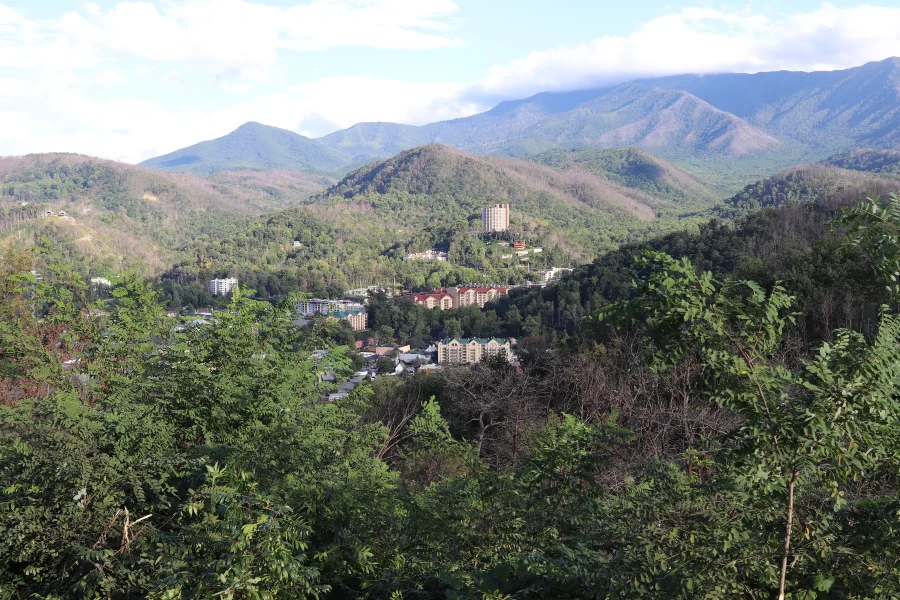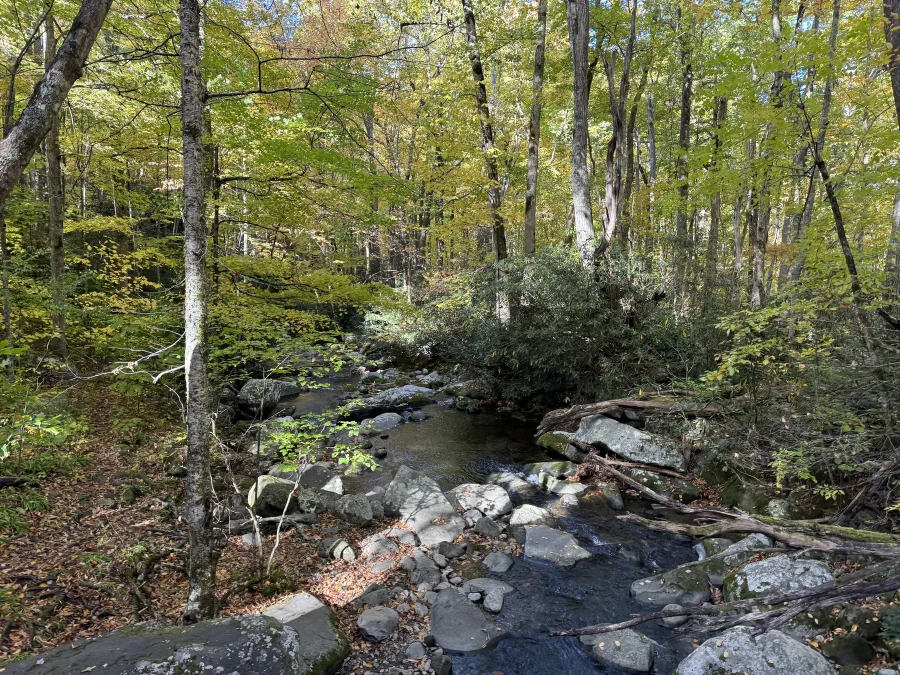
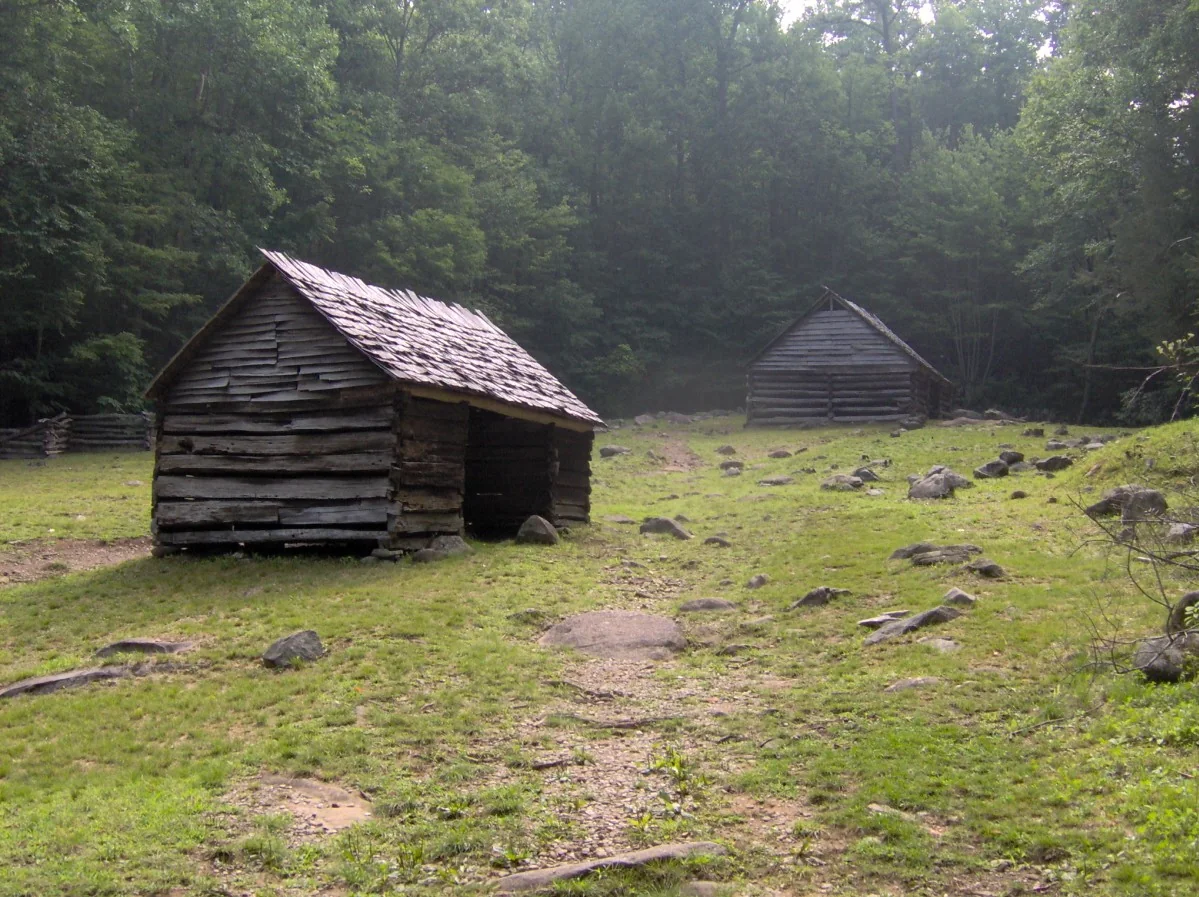
Gatlinburg can be a useful base for time in Great Smoky Mountains National Park, but a park day benefits from a different kind of preparation from a town walk. Start by choosing a suitable outing, then check the information that belongs to that place and your travel date.
Do not try to make one day represent the whole park. A focused visit leaves room to notice the setting and respond to conditions. It also makes practical decisions about access, weather and the group’s needs much easier.

The "Classic" National Park Tour
This trip begins as we pickup at our location in Gatlinburg, TN. We travel in comfortable and eco-friendly vans to our first stop at the remains of a...

Best of the Smokies: Full-Day Private Guided Adventure
Spend a full day exploring the Smokies your way. Best of the Smokies: Full-Day Private Guided Adventure is customize...

The Mountains Are Calling Driving Tour to Newfound Gap
Your trip begins at Sugarlands Visitor Center, where you’ll meet your naturalist guide from A Walk in the Woods. F...
Choose one part of the park
Begin with the kind of experience you want: a scenic drive, a suitable walk, historic places or time observing the forest. Then identify a specific area that offers it. Similar-looking photographs may come from different parts of a large park, and they do not tell you how long it takes to travel between places.
The National Park Service’s basic information links to official planning resources, maps and alerts. Use those sources to confirm the practical details. For a nearby setting with forest, water and historic buildings, our Roaring Fork guide provides an introduction before you consult its current official visitor information.
Match the activity to the whole group
The right outing is one that suits the people taking it. Discuss how much walking everyone wants, any access needs and how comfortable the group is with the published route conditions. A distance figure alone cannot describe surface, elevation or the effect of weather.
Read the official description of the exact walk or stop. If it does not answer an important question, seek current information from the responsible visitor service. Do not assume that a roadside view and a trail destination require the same preparation.
A short planning sequence
- Choose an area and a specific activity.
- Read the current official access and activity information.
- Check the weather and relevant alerts close to departure.
- Confirm the parking requirements and the route to your start.
- Prepare an alternative suitable for the same group.
Separate entry from parking and access rules
Different requirements can apply to entering a park, parking a vehicle, using a particular facility or taking part in an activity. Review the park’s current published guidance rather than assuming that one statement about fees or access answers every question.
A valid plan also needs somewhere lawful and appropriate to stop. Respect restrictions and be prepared to use your alternative if parking is unavailable. Do not make an unsafe stop to preserve an itinerary or reach a photograph.
Make room for changing conditions
Weather, road conditions and temporary restrictions can change the choice that makes sense on the day. Save the information you need before relying on mobile reception. Keep your plan understandable enough that the group can change it without losing track of where to go next.
- Carry suitable clothing and the supplies your chosen outing requires.
- Keep an official map available in a form you can use without a connection.
- Follow closures and instructions from park staff.
- Stay on permitted routes and respect natural and historic features.
- Give wildlife space and follow current park wildlife guidance.
The forest itself is a reason to visit. Wet stone, changes in vegetation and the scale of the trees can reward a slower look from appropriate places. You do not need to leave an established route to make an outing feel memorable.
Keep the return to town uncomplicated
A park outing may take more time or energy than a town-based plan. Leave the rest of the day flexible. A meal, a quiet stop or an early return to your accommodation can be a good finish without adding another major activity.

The River Remembers: A Smoky Mountain History Walk
The River Remembers is an easy guided walk in the more quiet section of the Smokies, along a cascading mountain stre...

Chasing Waterfalls: A Smoky Mountain Guided Hike
Follow the sound of rushing water into one of the Smokies’ most refreshing guided hikes. Chasing Waterfalls is per...

5 Hour Tour of the Mountain Heritage of Cades Cove
This tour focuses on Cades Cove and the 11-mile loop road that circles the valley. Along the way we'll stop at sever...
Use the location of your base and the needs of your group to decide what follows. If the weather changes your outdoor plans, Gatlinburg’s creative side offers a different planning direction, subject to each place’s current visitor arrangements. A successful day is one that fits the conditions and the people, rather than one that completes the longest list.
The Mountains Are Calling Driving Tour to Newfound Gap
Your trip begins at Sugarlands Visitor Center, where you’ll meet your naturalist guide from A Walk in the Woods. From there, we’ll travel up into...

River Magic: An Easy Smoky Mountain Guided Walk
Slow down beside one of the Smokies’ biggest and among the most beautiful mountain rivers. River Magic is an easy...
Best of the Smokies: Full-Day Private Guided Adventure
Spend a full day exploring the Smokies your way. Best of the Smokies: Full-Day Private Guided Adventure is customize...
The "Classic" National Park Tour
This trip begins as we pickup at our location in Gatlinburg, TN. We travel in comfortable and eco-friendly vans to o...