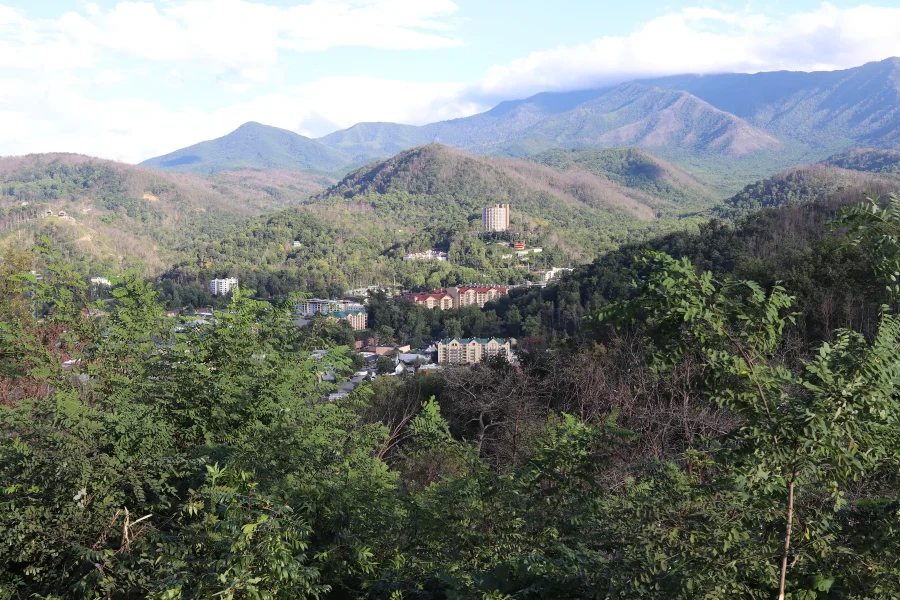
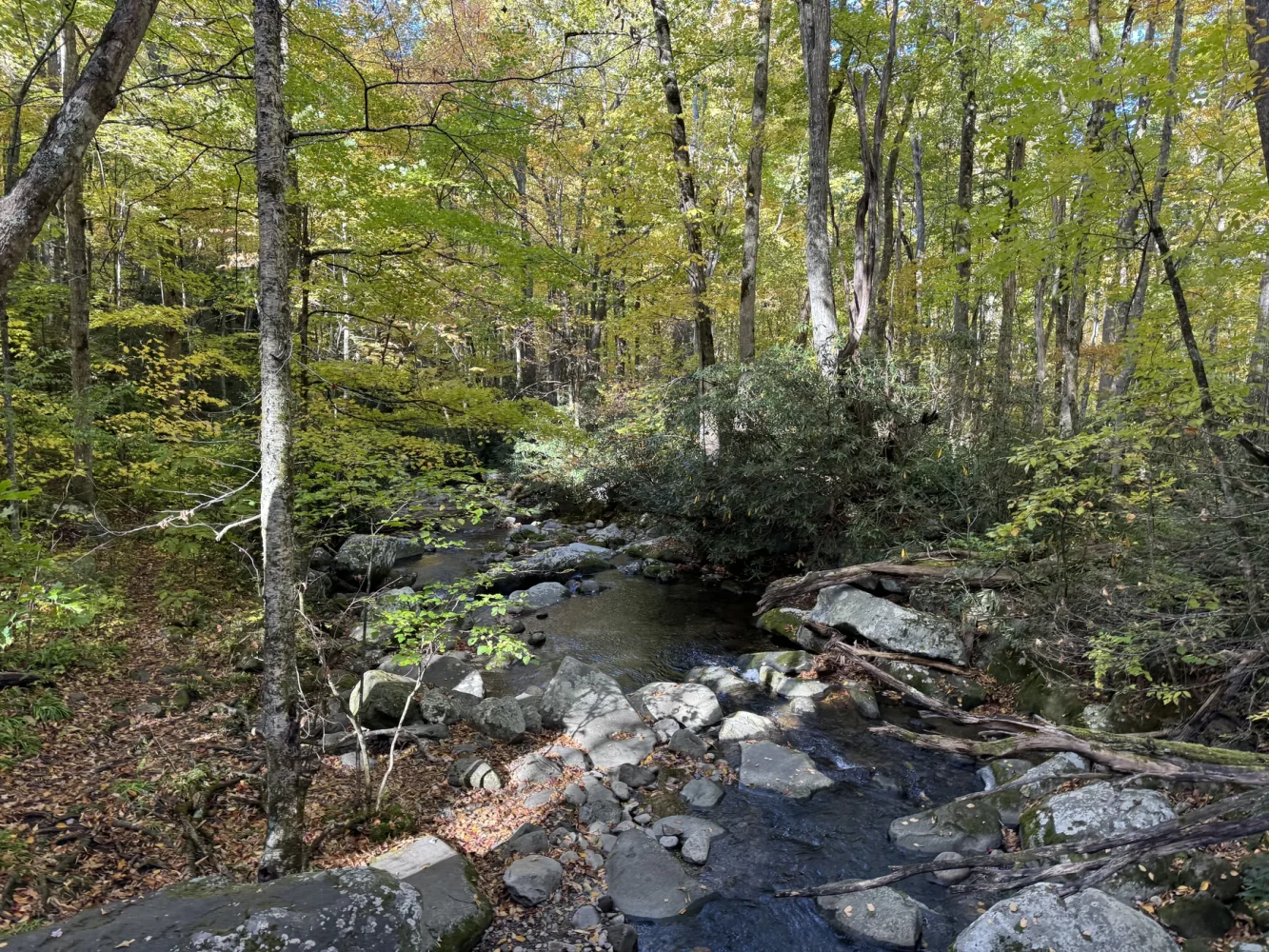
Roaring Fork offers a useful change of perspective from central Gatlinburg. Instead of trying to collect distant viewpoints, you can pay attention to moving water, dense woodland and the relationship between old buildings and their setting. It is a place to understand before you decide how to visit.
This guide concerns Roaring Fork in the Gatlinburg area of Great Smoky Mountains National Park, Tennessee. It is not the Roaring Fork River in Colorado. That distinction matters when checking photographs, maps and search results.

The River Remembers: A Smoky Mountain History Walk
The River Remembers is an easy guided walk in the more quiet section of the Smokies, along a cascading mountain stream where nature and history meet...

River Magic: An Easy Smoky Mountain Guided Walk
Slow down beside one of the Smokies’ biggest and among the most beautiful mountain rivers. River Magic is an easy...

The "Classic" National Park Tour
This trip begins as we pickup at our location in Gatlinburg, TN. We travel in comfortable and eco-friendly vans to o...
Understand the setting before choosing an outing
The National Park Service describes the Roaring Fork Motor Nature Trail as a narrow one-way drive through forest and historic places. Its road and nearby walks are different experiences, with different requirements. A driving route does not make every stop or trail along it suitable for every visitor.
Use the official Roaring Fork information to review access, vehicle restrictions, parking and seasonal road status. These are practical conditions to check for your date, not details to assume from an old itinerary or a photograph.
Look at what is close
The stream, stones and forest layers can be as rewarding as a distant view. Give yourself time to look from designated places. A close observation of water or a building detail needs no dramatic photograph and no attempt to leave an established route.
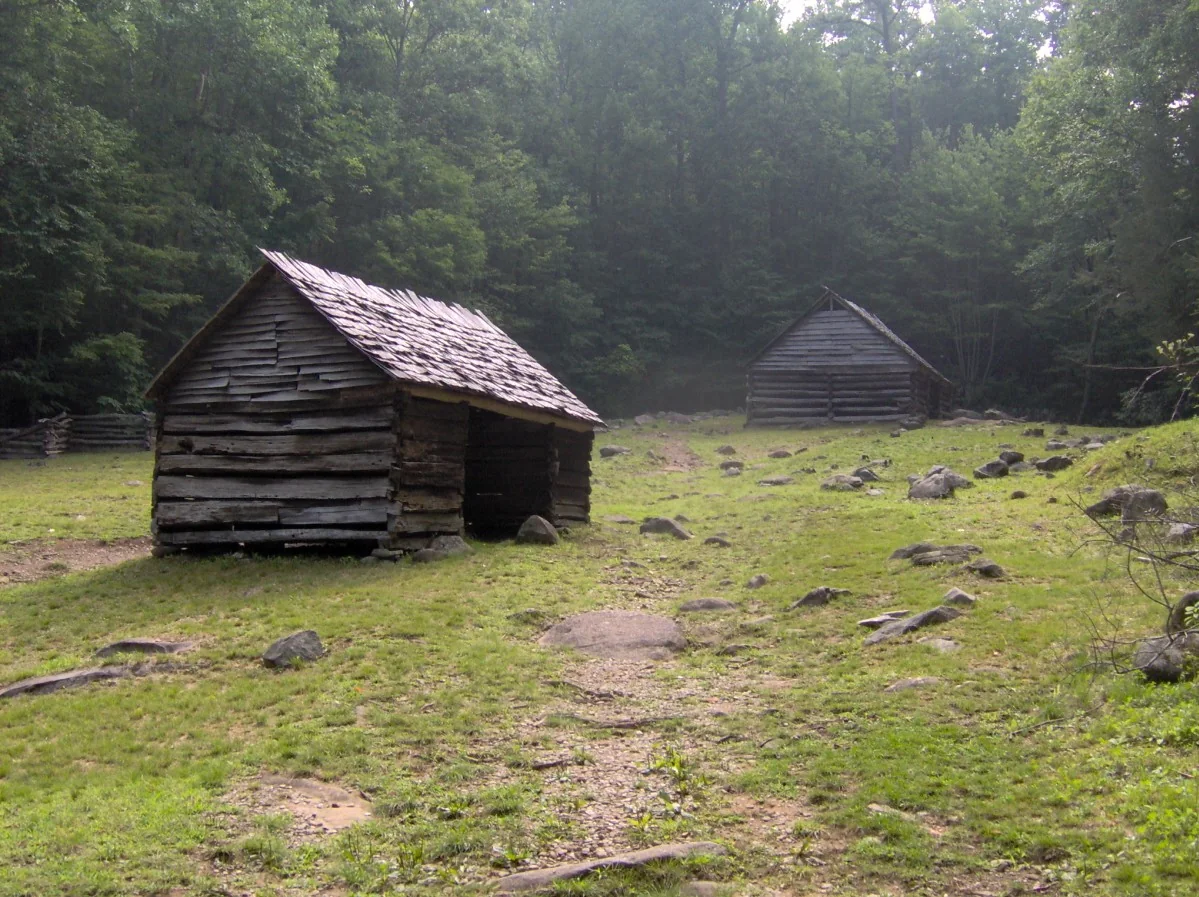
Historic buildings make more sense when you consider the whole setting: access to water, the ground around them and the materials in view. Read the site’s interpretation rather than assigning a story to an unfamiliar structure. Some buildings are preserved fragments of a larger former farm, not complete examples of how every household in the region lived.
Decide what your group can comfortably do
Start with the least flexible needs. Mobility, the size of your vehicle and the amount of walking people want to do may narrow the choices. Then compare the specific outing with the park’s description. Distance alone is not a full measure of effort, and wet ground can change the experience.
- Check whether the road or route you want is currently open.
- Read the published details for the specific stop or walk.
- Review vehicle and parking requirements before entering.
- Carry what you need for the conditions and the time you expect to spend.
- Keep an alternative that your whole group can use.
If a trail is not suitable, choose another experience rather than stretching the group beyond its comfort. A quiet drive, a shorter appropriate stop and a longer walk are not interchangeable versions of the same outing. Make the choice deliberately.
Let access conditions shape the day
A one-way road calls for a little preparation. Save the official map and identify the route before mobile reception becomes a concern. Keep the larger day simple so that a delay or an unavailable parking place does not unravel several later commitments.
Respect closures, marked parking restrictions and instructions from park staff. Avoid stopping in a way that blocks traffic or access. If a place is too busy, the alternative you chose earlier becomes part of the plan rather than a disappointment.
A useful distinction
A scenic drive provides access to a setting. It does not guarantee a parking place, safe conditions for every walk or access to every building shown in photographs.
Bring the quieter pace back to town
Roaring Fork pairs well with an uncomplicated remainder of the day. Choose a meal or a manageable town stop instead of stacking several distant activities after it. That gives the change of pace a chance to be part of the visit.

Self-Guided Audio Driving Tour in Great Smoky Mountains
Don't miss a thing as GuideAlong's Great Smoky Mountains Audio Driving Tour takes you on an incredible journey throu...

Mountaintop Zipline 2-Hours Activity
What’s included in the Mountaintop zipline tour? 11 Unique Adventures 6 SIDE-BY-SIDE ZIPLINE RUNS Zip higher and...

Sharing Nature with Children: Hands-On Smoky Mountain Discovery
Designed for curious kids and families, Exploring Nature with Children turns the forest into a living classroom. Thi...
The River Remembers: A Smoky Mountain History Walk
The River Remembers is an easy guided walk in the more quiet section of the Smokies, along a cascading mountain stream where nature and history meet...
River Magic: An Easy Smoky Mountain Guided Walk
Slow down beside one of the Smokies’ biggest and among the most beautiful mountain rivers. River Magic is an easy...
The "Classic" National Park Tour
This trip begins as we pickup at our location in Gatlinburg, TN. We travel in comfortable and eco-friendly vans to o...

Moonshine Mountain Coaster Ride
The Moonshine Mountain Coaster is a unique, family-friendly thrill ride that puts you in the driver's seat. Race thr...
For the broader context, see planning a Smokies day from Gatlinburg. For ideas that stay closer to the town’s creative life, explore Gatlinburg’s arts and crafts. Check current official information again close to departure, particularly when weather or seasonal access may affect your choice.